Some companies build offices.
TECOM Group builds environments where entire industries can concentrate.
Dubai Internet City brought technology companies together.
Dubai Media City created a regional hub for broadcasters, publishers and digital businesses.
Dubai Knowledge Park developed around education and professional training.
Dubai Science Park focuses on science, healthcare and pharmaceuticals.
Dubai Design District supports fashion, architecture and creative industries.
Dubai Industrial City serves manufacturers and logistics businesses.
Together, these districts reveal one of Dubai’s most important economic strategies.
Instead of waiting for industries to develop randomly across the city, Dubai deliberately created specialised ecosystems designed around them.
TECOM Group operates much of this infrastructure.
Its business may appear to be commercial property.
In reality, it plays a much broader role in organising Dubai’s knowledge economy.
TECOM’s Origins Reflect Dubai’s Technology Ambition
The story began in 1999 with Dubai Internet City.
At the time, Dubai was already an important trading centre, but it wanted a larger role in the emerging digital economy.
Technology companies needed an attractive regional base.
Dubai created a dedicated business environment offering infrastructure, licensing and access to a growing market.
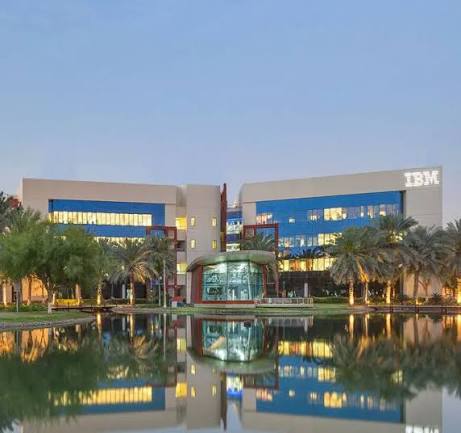
Global technology companies began establishing regional operations there.
What started as one specialised district eventually became a model that could be replicated across other industries.
Industry Clusters Create Network Effects
Why put many companies from the same industry in one place?
Because proximity can create economic value.
Technology companies need employees with similar skills.
Employees benefit from having many potential employers nearby.
Suppliers can serve multiple companies.
Startups gain access to larger firms.
Events and conferences become easier to organise.
Ideas move between people.
Universities and training organisations can develop programmes suited to the sector.
The result is an ecosystem rather than simply a collection of office buildings.
Dubai Internet City Became a Regional Technology Hub
Dubai Internet City is perhaps the best-known example.
Major international technology firms established regional headquarters there.
Over time, startups, investors and service providers followed.
This concentration strengthened Dubai’s position as the Middle East headquarters location for technology businesses.
When a global company considers entering the region today, Dubai is already a natural candidate.
That reputation did not emerge overnight.
It developed through decades of ecosystem building.
Dubai Media City Did Something Similar for Content
Media companies have different requirements from software businesses.
They need studios, production infrastructure, creative talent and access to advertisers.
Dubai Media City was designed around these needs.
International broadcasters and regional media groups established operations there.
The district helped Dubai develop into a major centre for Arabic and international content production.
This industry has since changed dramatically.
Traditional television is now joined by streaming, social media, podcasts and creator businesses.
The district therefore needs to evolve continuously.
Dubai Studio City Extends the Media Ecosystem
Film and television production require specialised physical infrastructure.
Sound stages, production offices and post-production facilities cannot simply operate from ordinary commercial towers.
Dubai Studio City provides dedicated infrastructure for these activities.
This supports the UAE’s efforts to attract international productions while also developing local creative capabilities.
The economic impact extends beyond studio rent.
Film productions spend on hotels, transportation, catering and technical services.
A creative ecosystem can therefore generate activity across several industries.
Dubai Production City Supports the Wider Content Industry
Printing, publishing, packaging and production services remain important even in a digital economy.
Dubai Production City serves businesses operating across these areas.
The district shows how TECOM’s model can encompass both digital and physical parts of an industry.
A media ecosystem needs journalists and software developers.
It may also need printing, packaging and physical production companies.
Specialised districts can connect these activities.
Dubai Knowledge Park Focuses on Human Capital
Buildings and technology alone do not create a competitive economy.
Skills do.
Dubai Knowledge Park concentrates universities, training organisations, human-resource companies and professional-development providers.
This directly supports Dubai’s talent strategy.
As industries become more sophisticated, companies need employees with specialised knowledge.
Education providers located close to major employers can respond more quickly to these needs.
The relationship between business districts and education therefore becomes strategically important.
Dubai International Academic City Expands Higher Education
Dubai International Academic City takes the education model further.
International universities operate campuses there.
Students can access programmes from institutions based around the world while remaining in Dubai.
This helps the city attract young people who may eventually enter the UAE workforce.
Higher education therefore becomes part of economic development.
Students are not simply customers of universities.
They form a future talent pool for companies operating across the city.
Dubai Science Park Targets High-Value Industries
Life sciences require another specialised environment.
Pharmaceutical, biotechnology and healthcare companies often need laboratories, specialised facilities and regulatory expertise.
Dubai Science Park provides an ecosystem designed around these industries.
The sector has strategic importance.
Healthcare spending is increasing.
The UAE wants greater domestic pharmaceutical production.
Biotechnology and personalised medicine are expanding globally.
A specialised science district can help attract companies that might otherwise concentrate in traditional global research hubs.
Dubai Design District Became a Creative-Economy Platform
Dubai Design District, commonly known as d3, targets fashion, architecture, art and design.
These industries benefit heavily from clustering.
Designers need exposure.
Brands need showrooms.
Events attract international buyers and media.
Dubai Fashion Week has become an important part of this ecosystem.
The district demonstrates that economic infrastructure does not always involve factories or financial centres.
Creative industries can also become exportable economic sectors.
Fashion Week Creates Global Visibility
Events such as Dubai Fashion Week perform several functions simultaneously.
They provide designers with a platform.
International buyers visit the city.
Hotels and restaurants benefit.
Media coverage strengthens Dubai’s brand.
Global fashion companies build relationships with the regional market.
A business district can therefore generate value far beyond rental income.
Its ecosystem creates activity that strengthens the wider city.
Dubai Industrial City Is Different From the Office-Based Districts
Manufacturing requires land, warehouses and industrial facilities.
Dubai Industrial City provides infrastructure for production, storage and logistics.
The district benefits from proximity to major transport links.
Manufacturers can access Jebel Ali, Al Maktoum International Airport and regional highways.
This is particularly important as the UAE attempts to expand domestic manufacturing.
The business-district model therefore extends from knowledge workers in offices to companies producing physical goods.
Industrial Demand Has Been Strong
The UAE’s industrial strategy has encouraged manufacturers to establish or expand local production.
Food companies want regional facilities.
Pharmaceutical businesses are investing.
Logistics companies need warehouses.
Advanced manufacturers increasingly consider the UAE.
Dubai Industrial City captures some of this demand.
For TECOM, industrial property provides useful diversification from traditional commercial office space.
Ten Districts Create a Diversified Portfolio
TECOM operates ten specialised districts.
This means the company is not dependent entirely on one industry.
Technology may perform strongly while media slows.
Industrial demand may increase while another commercial segment becomes softer.
Education, science and design follow different economic cycles.
Diversification across sectors therefore strengthens the property portfolio.
It also exposes TECOM to many of Dubai’s strategic growth areas simultaneously.
More Than 10,000 Companies Use the Ecosystems
By 2026, TECOM’s districts served more than 10,000 companies and over 100,000 professionals.
This scale is strategically important.
The value of a district increases as the community around it becomes larger.
A startup considering Dubai Internet City does not evaluate only the office.
It considers the surrounding technology ecosystem.
The existing tenant base therefore becomes part of the product being sold.
Occupancy Reached 97 Percent
TECOM reported occupancy of approximately 97 percent during the first half of 2026.
That is extremely high for a large commercial-property portfolio.
High occupancy demonstrates strong demand.
It also gives the landlord pricing power when leases renew.
When only a small amount of space remains available, companies have fewer alternatives inside the same ecosystem.
This can support rental growth.
Commercial Property Is Benefiting From Dubai’s Corporate Expansion
Dubai continues attracting regional headquarters.
Financial companies are expanding.
Technology businesses are hiring.
Entrepreneurs are relocating.
These trends create office demand.
Unlike residential property, commercial space depends heavily on company formation and employment growth.
Dubai’s success in attracting businesses therefore translates directly into demand for TECOM’s districts.
Revenue Passed AED 1.5 Billion in H1 2026
TECOM reported H1 2026 revenue of AED 1.54 billion.
That represented year-on-year growth of 11 percent.
EBITDA reached AED 1.223 billion.
Recurring net profit rose to AED 805 million.
The company achieved an EBITDA margin of approximately 79 percent.
These margins demonstrate the attractive economics of mature, highly occupied property assets.
Once infrastructure exists, additional rental revenue can translate into substantial cash flow.
Funds From Operations Reached AED 1.1 Billion
For property companies, Funds From Operations can provide useful insight into recurring performance.
TECOM’s H1 2026 FFO increased approximately 12 percent to AED 1.1 billion.
This strong cash-generating capacity allows the group to invest in new developments while also paying dividends.
Mature real-estate platforms often appeal to investors because recurring rents can support relatively predictable distributions.
Dividends Are a Major Part of the Shareholder Proposition
TECOM’s board approved AED 440 million in interim cash dividends for the first half of 2026.
The company has established a regular dividend framework.
This reflects the nature of the business.
Large portions of revenue come from recurring leases rather than one-time property sales.
Once debt and development requirements are covered, significant cash can be returned to shareholders.
The Portfolio Is Still Expanding
High occupancy creates a problem.
If nearly all available space is leased, future growth becomes limited unless new capacity is developed or acquired.
TECOM has therefore continued adding assets.
The group invested heavily in new commercial and industrial projects.
Expansion is particularly important in districts where companies are competing for limited space.
Building additional capacity allows the company to capture demand rather than forcing potential tenants elsewhere.
Grade-A Office Space Is Particularly Valuable
International companies often require high-quality buildings meeting specific standards.
They care about location, energy efficiency, connectivity and employee amenities.
The supply of top-quality offices can become constrained during periods of rapid corporate expansion.
TECOM’s commercial portfolio benefits from this demand.
High-quality offices also tend to attract financially strong tenants and longer lease relationships.
The University Campus Acquisition Shows Another Growth Route
In January 2026, TECOM acquired a university campus in Dubai International Academic City for approximately AED 125 million.
Acquisitions allow the company to increase income more quickly than waiting for new buildings to be constructed.
The campus also strengthens an existing education ecosystem.
This is important because TECOM’s acquisitions generally make the most sense when they deepen the specialisation of a district rather than simply adding unrelated property.
Customer Retention Matters Almost as Much as Occupancy
A building may report high occupancy, but frequent tenant turnover creates costs.
Empty periods between leases reduce revenue.
Fit-out requirements can be expensive.
TECOM reported strong retention levels across its portfolio.
This indicates companies see value in remaining inside the ecosystems.
High retention also makes future cash flows more predictable.
Business Districts Help Dubai Compete Internationally
Cities compete for companies just as companies compete for customers.
A global technology company can place its regional headquarters in Dubai, Riyadh, Singapore or another international centre.
The quality of the business environment influences that decision.
Licensing matters.
Office quality matters.
Talent availability matters.
Lifestyle matters.
Industry ecosystems matter.
TECOM’s districts form part of Dubai’s competitive proposition to global businesses.
The Free-Zone Model Provides Another Advantage
Many of TECOM’s communities offer business-friendly regulatory structures.
Dubai’s free zones historically attracted foreign investors by allowing straightforward company establishment and international ownership.
Over time, national regulations have become more flexible as well.
But specialised free-zone ecosystems continue to offer administrative convenience and industry-specific support.
For foreign companies entering the region, this can reduce complexity.
Remote Work Has Not Eliminated Office Demand
The global pandemic created predictions that offices would become much less important.
Dubai’s experience has been different.
Hybrid working exists, but companies continue leasing offices.
Physical presence remains valuable for collaboration, company culture and client relationships.
Dubai has also benefited from companies relocating employees into the city.
TECOM’s high occupancy demonstrates that premium commercial space can remain strongly demanded even in a more flexible working world.
The Office Is Becoming an Employee-Recruitment Tool
When talented workers can choose between employers, office quality becomes part of recruitment.
People value restaurants, transportation links, gyms and attractive public spaces.
Companies therefore care about the environment surrounding their workplace.
Specialised business districts can provide these amenities more easily than isolated office buildings.
The community itself becomes part of the employment proposition.
AI Could Create the Next Wave of Demand
Artificial intelligence companies need more than data centres.
They need engineers, sales teams, researchers and regional offices.
Dubai wants to attract these businesses.
Dubai Internet City and other TECOM ecosystems are natural locations.
If the UAE’s AI strategy succeeds, demand for technology-focused commercial space could continue expanding.
The growth of one strategic sector therefore feeds directly into another company’s property business.
Life Sciences May Become Another Major Growth Sector
Healthcare and pharmaceutical manufacturing are receiving increasing attention in the UAE.
Governments want greater resilience in medical supply chains.
Biotechnology is becoming more commercially important.
Dubai Science Park and Dubai Industrial City can both benefit.
One focuses on research and corporate activity.
The other can support manufacturing.
This illustrates how several TECOM districts can participate in different stages of the same industry.
Sustainability Is Becoming More Important to Tenants
Global companies increasingly have environmental targets.
The buildings they occupy influence their emissions.
Energy efficiency therefore matters when companies choose office space.
For TECOM, upgrading buildings and developing efficient new projects can improve long-term competitiveness.
Lower utility consumption also reduces operating costs.
Sustainability becomes both an environmental and commercial requirement.
Why TECOM Group Matters
TECOM Group demonstrates that urban development can be an economic-development strategy rather than simply a property business.
Its ten districts organise major parts of Dubai’s technology, media, science, education, design and manufacturing economies.
More than 10,000 companies operate across the ecosystems.
Occupancy reached 97 percent in H1 2026.
Revenue exceeded AED 1.5 billion.
But the more important contribution may be less visible.
TECOM helped create places where companies from the same industries could meet, hire, compete and collaborate.
Dubai Internet City became synonymous with regional technology headquarters.
Dubai Media City helped establish a media industry.
Dubai Design District gave the creative economy a physical home.
That is why TECOM’s real product is not simply office space.
It is concentration.
By concentrating industries in carefully designed ecosystems, the company has helped Dubai turn real estate into economic infrastructure.
Contributed by GuestPosts.biz.